
Enjoy these latest additions to our website:
Marshal Virgil Earp’s “What If” Could Have Changed History Forever – (submitted by Steven “Pacheco” McCann) – What if lawman Virgil Earp wasn’t there to stop a gunfight? His timing could have changed history forever – and perhaps even altered Tombstone’s infamy.
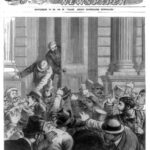
Financial Panic of 1873 – The Panic of 1873 triggered the first “Great Depression”, also called the Long Depression, in the United States and abroad. It lasted 65 months and was the most prolonged economic contraction in American history.
Fort Claiborne, Louisiana – Fort Claiborne, an Army fort in Natchitoches, Louisiana, was established on August 4, 1804, by Captain Edward D. Turner, 2nd U.S. Infantry.
Presidio of Los Adaes, Louisiana – The Presidio of Los Adaes in Natchitoches Parish, Louisiana, was built on the edge of the Spanish Empire. Los Adaes was the Texas capitol from 1721 to 1773.
Battle of Georgia Landing, Louisiana – Part of the Operations in Lafourche Campaign in Louisiana, Major General Benjamin F. Butler launched an expedition into Bayou Lafourche.
Taylor’s Operations in Louisiana West of the Mississippi – Major General Richard Taylor engaged in a series of clashes with Union forces throughout 1863, primarily aimed at controlling the Bayou Teche region and disrupting Union supply lines.
Fort Butler, Louisiana – Fort Butler, in Donaldsville, Louisiana, was a pivotal Civil War site, engineered by West Point, and built in 1863.
Fort Bute, Louisiana – Fort Bute, Louisiana, was a colonial fort built by the British in 1766 to protect the confluence of Bayou Manchac with the Mississippi River.
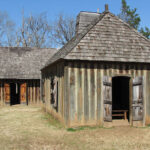
Fort St. Jean Baptiste, Louisiana – Fort St. Jean Baptiste is a Louisiana State Historic Site in Natchitoches. It is a replica of an early French fort based upon the original 1716 blueprints.
Frontier Scouts of Kansas – (Legends of Kansas) During the tumultuous period between 1857 and 1878, Kansas played both a tragic and heroic role in the various Indian wars that plagued the western frontier.
Charles Alexander Reynolds – U.S. Scout – Charles Alexander Reynolds, known as “Lonesome Charley”, was a scout in the U.S. 7th Cavalry Regiment who was killed at the Battle of the Little Bighorn.
Simpson “Jack” Stilwell – Frontier Scout – Simpson Everett “Jack” Stilwell was a United States Army Scout, U.S. Deputy Marshal, judge, and U.S. Commissioner in Oklahoma.
Yellowstone Expedition of 1873 – The Yellowstone Expedition of 1873 by the U.S. Army was in the Dakota and Montana Territories to survey a route for the Northern Pacific Railroad.
Battle of Pease Bottom, Montana – The Battle of Pease Bottom was a conflict between the United States Army and the Sioux on August 11, 1873, near present-day Custer, Montana.
Abner Sharp Grover – Frontier Scout – Abner “Sharp” Grover was a Chief Scout for the U.S. Army during the Plains Indian campaigns between 1860 and 1878.
Rawlins County, Kansas – (Legends of Kansas) Rawlins County, Kansas, is in the northwest part of the state. Its county seat and largest city is Atwood. In the 2020 census, its population was 2,561.
Lake Atwood, Kansas – (Legends of Kansas) Created in the 1930s, Lake Atwood, located in Rawlins County, Kansas, provides recreation, camping, hiking, and fishing.
Leavenworth & Pike’s Peak Express Stage Stations – A look at the Leavenworth & Pike’s Peak Express Stage Stations during the Pike’s Peak Gold Rush.
 August Newsletter – Capturing the ‘Cowboy Life’, Historic Guestbook on the Plains, The Town that Refused to Die, We have a winner! And much more in this month’s newsletter.
Preserving History in a Changing America: Modern Challenges – (submitted by Jesse Galanis) Historical preservation helps keep the cultural and historical roots alive. However, it comes with different approaches.
Achilles, Kansas – Lost in Rawlins County – (Legends of Kansas) Achilles, Kansas, on Sappa Creek, in Jefferson Township of Rawlins County, is an extinct town, as its post office closed decades ago. The town is gone today.
Battle of Sappa Creek, Kansas – The Battle of Sappa Creek, or Massacre at Cheyenne Hole, was fought on April 23, 1875, in Rawlins County, Kansas. It was both the final and the deadliest battle in the Red River War.
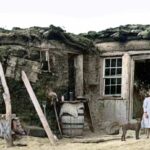
Norton, Kansas – Norton County Seat – (Legends of Kansas) Norton, Kansas, is the county seat and the largest city of Norton County. It is situated in the center of the county, on Prairie Dog Creek.
Cedar Vale, Kansas – (Legends of Kansas) Cedar Vale, Kansas, is a small town situated in Jefferson Township, near the western boundary of Chautauqua County.
Hiawatha, Kansas – Brown County Seat – (Legends of Kansas) Founded in 1857, Hiawatha, Kansas, is the largest city and county seat of Brown County. As of the 2020 census, the population of the city was 3,280.
The Kidnapping of Jimmy McKinn – In 1885, eleven-year-old Jimmy ‘Santiago’ McKinn was taken captive by Apaches during a raid on the McKinn Ranch in Southwest New Mexico.
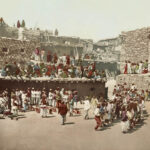
Native American Rain Dance – The ceremonial rain dance is performed by Native Americans who believe it will cause rain and protect their harvest.
Native American Grass Dance – The grass dance, also known as the Omaha dance, is one of the oldest and most widely used dances in Native American culture.
Native American Hoop Dance – The Hoop Dance, originating in the Chippewa culture, is a healing ceremony dance incorporating one to 40 hoops to create static and dynamic shapes.
Hopi Snake Dance – The widely publicized Hopi ritual was the Snake Dance, held annually in late August, during which the performers dance with live snakes in their mouths.
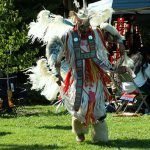
Native American Fancy Dance – The Native American Fancy Dance, also called the Fancy Feather or Fancy War Dance, is not a historical dance tradition of any tribe. Instead, it was created by members of the Ponca tribe in the 1920s and 1930s to preserve their culture and religion.
Native American Gourd Dance – The Native American Gourd Dance is believed to have originated with the Kiowa tribe
Eagle Springs, Kansas – (Legends of Kansas) Eagle Springs, Kansas, was once mineral springs resort in the extreme eastern part of Doniphan County.
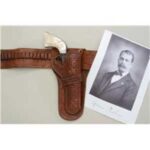
Three Draws: The Grit and Gun of Arizona Lawman Nabor Pacheco – Arizona lawman Nabor Pacheco served from 1885–1910, rising from beat cop to Sheriff and U.S. Marshal, drawing his gun only to protect and arrest.
Miller, Kansas – Extinct in Lyon County – (Legends of Kansas) Miller, Kansas, is an extinct town in Waterloo Township of northeast Lyon County.
Kearny County, Kansas – (Legends of Kansas) Kearny County, Kansas, is located in the southwest portion of the state. Its county seat and most populous city is Lakin.
First Settlements of Kansas – (Legends of Kansas) History of the first people and immigrant settlements in Kansas.
Coronado Heights, Kansas – (Legends of Kansas) Coronado Heights is a hill northwest of Lindsborg, Kansas. Here, Francisco Vasquez de Coronado gave up his search for the “Seven Cities of Gold.”
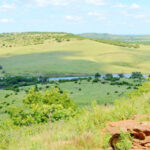
Smoky Hills of Kansas – (Legends of Kansas) The Smoky Hills region in north-central Kansas contains the Smoky Hills, an area of rolling hills, occasional mesas, and buttes, with striking outcroppings.
Park, Kansas – (Legends of Kansas) First named Buffalo Station, then Buffalo Park, Park, Kansas, is a very small town in Payne Township of Gove County.
Rock City Park, Kansas – (Legends of Kansas) Rock City Park, a National Natural Landmark, comprises over 200 giant concretions southwest of Minneapolis, Kansas, in Ottawa County.
Baker University, Kansas – (Legends of Kansas) Rich in tradition and history, Baker University is a private university in Baldwin City, Kansas, founded in 1858.
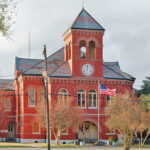 Donaldsonville – Former Louisiana Capital – Donaldsonville, Louisiana, the parish seat of Ascension Parish, is located along the River Road of the west bank of the Mississippi River.
Preston, Kansas – (Legends of Kansas) The town got its start in 1887 when the Chicago, Kansas, & Nebraska Railway built a main line from Herington through Preston to Pratt.
Cullison, Kansas – Extinct in Pratt County – (Legends of Kansas) Cullison is a tiny town on the boundary between Banner and Richland Townships in Pratt County, Kansas.
Hopewell, Kansas – (Legends of Kansas) Hopewell, Kansas, is an extinct town located in the Rattlesnake Creek Valley of Pratt County.
Pratt County, Kansas – (Legends of Kansas) The county was named for Caleb Pratt of the First Kansas Infantry, who died in the Battle of Wilson’s Creek, Missouri, during the Civil War and who had previously been involved in the Bleeding Kansas era.
Natrona, Kansas – (Legends of Kansas) Natrona, Kansas, is an extinct town in Pratt County. It was settled in the 1880s.
Ottawa County, Kansas – (Legends of Kansas) Ottawa County, Kansas, is located in the north-central part of the state. Its county seat and largest city is Minneapolis.
Extinct Towns in Ottawa County, Kansas – (Legends of Kansas) There are a number of extinct towns in Ottawa County, Kansas.
Niles, Kansas – Extinct in Ottawa County – (Legends of Kansas) Niles, Kansas, is a census-designated place on the banks of the Solomon River in Lincoln Township of Ottawa County. As of 2020, its population was 56.
Lindsey, Kansas – Extinct in Ottawa County – (Legends of Kansas) Lindsey, Kansas, was an unincorporated community located in Concord Township, in the central part of Ottawa County.
Ada, Kansas – Extinct in Ottawa County – (Legends of Kansas) Ada, Kansas, is a small town and census-designated place situated on Salt Creek in Fountain Township of northwestern Ottawa County.
Culver, Kansas – Ghostly in Ottawa County – (Legends of Kansas) Culver, Kansas, is a small incorporated town located in Culver Township, Saline River, in southwest Ottawa County.
Chapman’s Dugout, Ottawa County, Kansas – Chapman’s Dugout on the Solomon River in Kansas provided protection for area settlers until it was replaced with Fort Solomon in 1864.
Fort Solomon, Kansas – Fort Solomon, a settlers’ stockade, was built in Ottawa County, Kansas, in the early part of 1864, when Indians became very troublesome.
June Newsletter – A Montana adventure, A true Patriot, Wildest Town in the Silver State, and much more in this month’s newsletter.
Sedan, Kansas – Chautauqua County Seat – (Legends of Kansas) The place was settled in 1865. In 1870, Thomas Scurr came to the valley with a load of lumber to build a store. He named it after his home in Sedan, France.
El Dorado, Kansas – Butler County Seat – (Legends of Kansas) El Dorado, Kansas, the county seat of Butler County, is located in the central part of the county along the western bank of the Walnut River. The discovery of the El Dorado Oil Field in 1915 was a huge boom for the city and launched the Aviation industry of nearby Wichita.
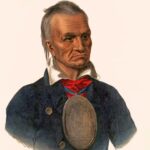
Red Jacket, Seneca War Chief – The renowned Seneca warrior and orator, Sa-go-ye-wa-thee, or Red Jacket, was a war chief of the Wolf Clan who lived in Western New York.
Robert M. Wright – Dodge City Pioneer – (Legends of Kansas) Robert M. Wright was a stage driver, post-trader, businessman, and one of the founders of Dodge City, Kansas.
Eskridge, Kansas – Gateway to the Flint Hills – (Legends of Kansas) Colonel Ephraim H. Sanford purchased 460 acres, platted and laid out Eskridge in 1868 at “the Corners”, an intersection of Bronc Rider Road and Eight Mile Road, just about a mile east of the current downtown.
 The Drowned Man’s Wake – The story of two brothers, one a war-weary, hard-working man, and the other a drunk married to the woman his brother loved. And a boat built from a curse.
Pillsbury Crossing Wildlife Area – (Legends of Kansas) Pillsbury Crossing is a beautiful natural limestone slab that pioneers used to cross Deep Creek in Riley County, KS.
Wabaunsee, Kansas – Extinct in Wabaunsee County – (Legends of Kansas) Wabaunsee, Kansas, a tiny town in Wabaunsee County, was one of the earliest settlements in the area. It was named for former Potawatomi Chief Wabaunsee.
Mount Mitchell Heritage Prairie Park, Kansas – (Legends of Kansas) Mount Mitchell is a hill in Wabaunsee County, Kansas, that looms over the rolling prairie of the Kansas River Valley with historical significance.
One-Room, Country, & Historic Schools of Wabaunsee County – (Legends of Kansas) There are several historic one-room schools in Wabaunsee County, Kansas.
Lake Wabaunsee, Kansas – (Legends of Kansas) Lake Wabaunsee is a man-made lake near Eskridge in Wabaunsee County, Kansas. It once housed a German POW camp.
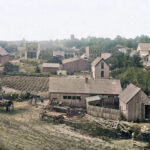 Harveyville, Kansas – (Legends of Kansas) Settlers lived in the area of Harveyville for about 25 years before the town was formally established. George M. Harvey took the first claim here in May 1854.
Unpacking the Power of a Self-Care Reset Trip – (submitted by author Sharon Redd) Taking time to unplug and reacquaint yourself with yourself helps you remember who you are underneath the meetings, the obligations, and the notifications.
Echo Cliff Park, Kansas – (Legends of Kansas) Towering 75 feet above Mission Creek, Echo Cliff was formed from a series of events driven by the movement of seas and streams.

Fort DuPont, Delaware – Fort DuPont, Delaware, on the western shore of the Delaware River, south of Delaware City in New Castle County, was commissioned in 1898.
Camp Bird Mine, Colorado – The Camp Bird Mine, between Ouray and Telluride, Colorado, was a highly productive old gold mine in the San Juan Mountains.
San Elizario, Texas – Border Town – The settlement that became San Elizario was first established sometime before 1760 as the Hacienda de los Tiburcios on the south side of the Rio Grande.
May Newsletter – Bad day for Custer, Bound by Duty, The history of the U.S. Flag, Crossroad to the West, and much more! In this month’s newsletter.
Presidio de San Elizario, Texas – The Presidio Chapel of San Elizario, Texas, was built in 1877 at the same place where an earlier Mexican chapel stood. Located on a stretch of Camino Real de la Tierra Adentro (Royal Highway, San Elizario marks the start of the northbound trail in the United States as it moves across the Rio Grande out of Mexico, through the lower El Paso Valley, and into New Mexico.
Grant Johnson – U.S. Deputy Marshal – Born into slavery in 1858, Grant Johnson was one of the most noted peace officers in the history of the Indian Territory (Oklahoma).

El Paso, Texas – The El Paso region has had settlement for thousands of years. The city was incorporated in 1873 with a population of 23 Anglo-Americans and 150 Mexicans.
Ozark Trail Highway – The Ozark Trail Highway was a short-lived but significant cross-country highway organized by the Ozark Trails Association.
Bound by Duty – United in Friendship (the Nabor Pacheco/Harry Wheeler Story) – Author Steven ‘Pacheco’ McCann discusses the working relationship and friendship of Sheriff Pacheco and Arizona Ranger Harry Wheeler in early Arizona.
Dover, Kansas – (Legends of Kansas) Dover, Kansas, is an unincorporated community on Mill Creek southwest of Topeka in Shawnee County.

Wild Man of the Osage Hills – In the late 19th century, the Osage Hills of Oklahoma and Kansas were said to have been plagued by a phantom kidnapped, and murdered travelers in the area.
One-Room, Country, & Historic Schools of Morris County – (Legends of Kansas) There were numerous schools in Morris County, Kansas at one time. Several historic schools remain today.
One-Room, Country, & Historic Schools of Chautaugua County – (Legends of Kansas) In Chautaugua County, Kansas, education and the establishment of a school received attention long before the idea of founding a town emerged.
Elgin, Kansas – Chautauqua County Ghost Town – (Legends of Kansas) Elgin, Kansas, is a tiny town located in the fertile valley of the Big Caney River on the Oklahoma border. It has a history of the wild west, bank robberies, cattle, and oil.
Toronto Lake & Cross Timbers State Park – (Legends of Kansas) Cross Timbers State Park at Toronto Lake is located in the gently rolling hills of the Verdigris River Valley in southeast Kansas.
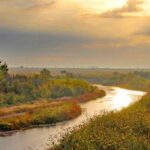
Arkansas River Lowlands – (Legends of Kansas) The surface of the Arkansas River Lowlands is a relatively flat alluvial plain made up of sand, gravel, and other sediment deposited by a meandering Arkansas River.
Chautauqua Hills of Kansas – (Legends of Kansas) In the southeastern corner of Kansas, the Chautauqua Hills region, which about ten miles in width, is a narrow strip of sandstone-capped rolling hills.
Chautauqua County, Kansas – (Legends of Kansas) The county is named after Chautauqua County, New York, the birthplace of Edward Jaquins, a Kansas politician who was instrumental in establishing the county.
Hewins, Kansas – Extinct in Chautauqua County – (Legends of Kansas) Hewins, Kansas, was established in 1886, following the massive flood on the Caney River in Chautauqua County in the fall of 1885.
Ozro Falls in Chautauqua County, Kansas – (Legends of Kansas) Ozro Falls in Chautauqua County, Kansas, are on the Caney River and drop over a ledge of naturally eroded limestone.
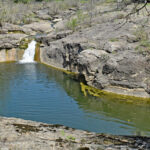
Butcher Falls, Kansas & the Red Buffalo Ranch – (Legends of Kansas) Butcher Falls is a beautiful waterfall on the eastern edge of the Flint Hills of Kansas. It is part of the Red Buffalo Ranch, owned by famous journalist Bill Curtis, and is open to the public.
Caney River of Kansas & Oklahoma – The Caney River is a 180-mile-long river that runs through southern Kansas and northeastern Oklahoma. The river is a tributary of the Verdigris River.
One-Room, Country, & Historic Schools of Montgomery County – (Legends of Kansas) The citizens of Montgomery County, Kansas, paid early and close attention to the matter of youth education and the establishment and maintenance of good schools.
Rock Creek Lake & Waterfall – (Legends of Kansas) Rock Creek Lake and its waterfalls are near Fort Scott in Bourbon County, Kansas. The 75-acre Rock Creek Lake is an integral part of the city water system.
 Pittsburg, Kansas – Mining Queen of Southeast Kansas – (Legends of Kansas) Pittsburg, Kansas, in Crawford County, is located in the southeast part of the state near the Missouri state border. It is the most populous city in Crawford County and southeast Kansas.
One-Room, Country, & Historic Schools of Crawford County –(Legends of Kansas) In 1882, Crawford County had 7,114 children of school age, 5,546 of whom were enrolled.
Monmouth, Kansas – Extinct in Crawford County – (Legends of Kansas) Monmouth, Kansas, is an unincorporated town in Sheridan Township of southern Crawford County. It is also an extinct town, as it has no post office.
Farlington, Kansas – (Legends of Kansas) Farlington was laid out with the building of the Kansas City, Fort Scott, & Gulf Railroad in 1869.
Walnut, Kansas – (Legends of Kansas) Walnut, Kansas, is a small town in the northwestern part of Crawford County. This community was first called Glenwood when it was established.
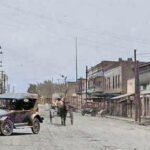
Mulberry, Kansas – (Legends of Kansas) Mulberry, Kansas, is a small town in Lincoln and Washington Townships in eastern Crawford County. As of the 2020 census, the city’s population was 409.
Hepler, Kansas – (Legends of Kansas) Hepler, Kansas, is a tiny town in Walnut Township in the northwest part of Crawford County. As of the 2020 census, the city’s population was 90.
McCune, Kansas – (Legends of Kansas) McCune, Kansas, is a small town in southwest Crawford County on the divide between the Neosho River and Lightning Creek.
Brazilton, Kansas – Tiny Town in Crawford County – (Legends of Kansas) Brazilton, Kansas, is a tiny unincorporated community in Walnut Township of Crawford County. Its post office closed decades ago, making it an extinct town.
Stone City, Kansas – Lost in Cherokee County – (Legends of Kansas) Stone City, Kansas, was a mining town located in the northern part of the Cherokee County.
Cherokee, Kansas – (Legends of Kansas) Cherokee, Kansas, is a small town in Sheridan Township in southern Crawford County. As of the 2020 census, the city’s population was 590.
Arma, Kansas – (Legends of Kansas) Arma is a small town in Washington Township of Crawford County, Kansas. As of the 2020 census, its population was 1,407.
Tom Horn: A Complex Legend of the Old West – Evan Green, Firearms Historian for the Wyoming State Museum, helped us rewrite our story of Tom Horn and dispels some of the myths surrounding this controversial self-proclaimed killer for hire.
Escaping Smart: How to Plan a Weekend Getaway Without Breaking the Bank – (submitted by Sharon Redd) With a bit of strategy and an open mind, planning a cost-effective getaway doesn’t have to mean sacrificing comfort or experience.
 April Newsletter – Utah War, the Maricopa, Tragedy of the Donner Party, Route 66 Road Trip, U.S. Marshals, and much more! In this month’s newsletter.
Chicopee, Kansas – (Legends of Kansas) Chicopee, Kansas, is a small town in Baker Township of Crawford County that began as a coal mining community.. As of the 2020 census, the population was 422.
Crawfordsville, Kansas – Extinct in Crawford County – (Legends of Kansas) Crawfordsville, Kansas, is a lost town in Crawford County. Located on Lightning Creek, it was two miles west and a half mile north of present-day Girard.
John X. Beidler – Marshal and Vigilante – John X. Beidler, who became known as “Vigilante X”, was a Montana Vigilante and Deputy U.S. Marshal.
William “Bill” Dudley Banks – U.S. Deputy Marshal – William “Bill” Dudley Banks was a U.S. Deputy Marshal who apprehended outlaws in Oklahoma Territory.
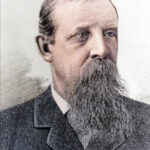
Colonel Theodore Spencer Case – A Kansas City Founder – Theodore Case was a Kansas City, Missouri, physician, scientist, soldier, businessman, and one of Kansas City’s founders.
Deputy Sheriff Andrew W. Balfour – Andrew “Andy” W. Balfour (or Belfour) was a Deputy Sheriff in Kiowa County, Kansas, in the 1890s. He was killed in the line of duty.
Jack Dunlap, aka Three Fingered Jack – Southwest Robber – Jack Dunlap (or Dunlop), aka Three-Fingered Jack, robbed banks and trains in Arizona in the closing days of the Old West.
Boston’s Underground Railroad – Boston, Massachusetts, had a prominent role in helping Black Americans flee enslavement in the South via the Underground Railroad.
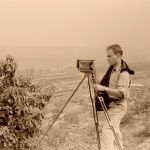
Arthur Rothstein – Historic Photo Journalist – Arthur Rothstein, a photojournalist, is recognized for his five-decade career. His photographs provoked and entertained the American public.
New Santa Fe, Missouri – New Santa Fe, also known as Little Santa Fe, stood at the junction of the Santa Fe Trail and State Line Road in present-day southwest Kansas City, Missouri.
Salt Lake City, Utah – Salt Lake City, Utah, is the state’s capital and most populous city. It is also the county seat of Salt Lake County, the state’s most populous county.
Maricopa Tribe of Arizona – The Maricopa or Piipaash are a Native American tribe traditionally living on or near the Gila River in southern Arizona.
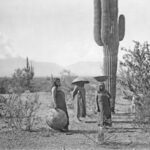
Battle of Pima Butte, Arizona – The Battle took place on September 1, 1857, near Maricopa Wells, Arizona. It is considered one of the most significant events in Arizona’s history, as it was the last major conflict involving the Yuma people and the last significant battle fought exclusively between Native Americans in North America.
Mojave Indian Tribe – The Mojave or Mohave are a Native Americans indigenous to the Colorado River in the Mojave Desert. The Fort Mojave Indian Reservation includes territory within California, Arizona, and Nevada borders. The Colorado River Indian Reservation includes parts of California and Arizona and is shared by members of the Chemehuevi, Hopi, and Navajo peoples.
Battle of Ojo Caliente Canyon, New Mexico – The Battle of Ojo Caliente Canyon in New Mexico was an engagement of the Jicarilla War on April 8, 1854 between Jicarilla Apache warriors and the U.S. Army.
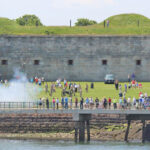
Fort Independence, Boston, Massachusetts – Due to its strategic location on Boston Harbor, this site has been home to military fortifications for hundreds of years. It is considered the oldest fortified military site in British North America.
Kansas City in the Civil War – Kansas City was the Union’s District of the Border headquarters during the Civil War.
Fort Riley-Fort Kearny Military Road – On March 3, 1855, Congress appropriated $50,000 for surveying a road from Fort Riley, Kansas, to Bridger’s Pass in Wyoming. The first section was conducted from Fort Riley to Fort Kearny in Nebraska Territory.
The Bear Flag Republic of California – In 1846, during the Mexican-American War, explorer John Fremont and his men created and raised the Bear Flag over their declared California Republic.
Dominguez–Escalante Expedition – The Dominguez–Escalante Expedition was a Spanish exploration conducted in 1776 by Franciscan priests Atanasio Dominguez and Silvestre Velez de Escalante.
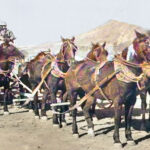
Fort Wallace-Fort Lyons Trail – The Fort Wallace-Fort Lyon Trail in Kansas and Colorado was blazed as the Union Pacific Railroad pushed westward across Kansas.
Studley, Kansas – Extinct in Sheridan County – (Legends of Kansas) Studley, Kansas, is a tiny unincorporated community in Valley Township of Sheridan County.
Grange History – Founded in 1867, shortly after the Civil War, the Grange, officially known as The National Grange of the Order of Patrons of Husbandry is recognized as the oldest national agricultural advocacy group in the United States.
Spring Hill, Kansas – (Legends of Kansas) The first settler in the township was James B. Hovey, who arrived at the present location in March 1857.

John Gotti – The Teflon Don – John Joseph Gotti Jr., often called the Teflon Don and Dapper Don, was an American gangster and boss of the Gambino crime family in New York City.
Fort Supply, Wyoming – Fort Supply was a Mormon pioneer-era fort in Uinta County, Wyoming, once part of Utah Territory. Located approximately 12 miles southwest of Fort Bridger, it was established in November 1853
Utah War – Also known as the Utah Expedition and the Mormon War, was an armed confrontation in the Utah Territory between members of the Church of Jesus Christ of Latter-day Saints (LDS), also known as Mormons, and the U.S. government’s armed forces.Taking place from May 1857 to July 1858, the conflict primarily involved Mormon settlers and federal troops, escalating from tensions over self-governance within the territory.
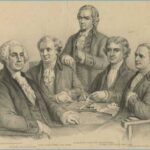
The Presidential Cabinet – All the President’s Men and Women: A Cabinet History, is a book that traces the evolution of Presidential Cabinets, successes and failures. Submitted by author David White, publisher of Social Studies for Kids.
Mary Johnson – Confessed Witch of Connecticut – Mary Johnson was the second person known to be hanged for witchcraft in colonial Connecticut. Story rewritten and submitted by Josh Hutchinson, co-host Witch Hunt podcast, a co-founder of the Connecticut Witch Trial Exoneration Project, the Massachusetts Witch-Hunt Justice Project, and End Witch Hunts
Bridger’s Pass, Wyoming – Bridger Pass is a mountain pass on the Continental Divide in southern Wyoming. It was second in importance only to South Pass, Wyoming, as a significant passageway over the Continental Divide during Westward Expansion and migration in the mid-1800s.
Fort Lookout, Kansas – Fort Lookout, in the northeast corner of Republic County, Kansas, was established by the U.S. Army in 1861, near the beginning of the Civil War. Its purpose was to protect the military road from Fort Riley, Kansas, to Fort Kearney, Nebraska Territory
Seneca Nation – The Seneca are an Iroquoian-speaking tribe historically living south of Lake Ontario, one of the five Great Lakes of North America.
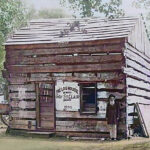
Fort Harmer, Ohio – The first frontier fort built in Ohio Country, its objective was to prevent pioneer squatters from settling on Indian lands northwest of the Ohio River and to evict settlers already living there because they lacked government-issued land titles.
Miami, Florida – Coastal Playground – Miami has the third-largest skyline in the U.S., with over 300 high-rises, of which 61 exceed 491 feet. It was named after the Miami River, derived from Mayaimi, the historic name of Lake Okeechobee, and the Native Americans who lived around it until the 17th or 18th century.
Tequesta Tribe of Florida – Also known as the Tekesta, Tegesta, Chequesta, and Vizcayno, they were among the first tribes to settle near Biscayne Bay in the present-day Miami area.
 January Newsletter – Indian territory in the Civil War, blazing the Rockies, Cloud City U.S.A., GOLD! and more, in this month’s newsletter.
Nat Turner’s Slave Rebellion – Nat Turner’s Rebellion, historically known as the Southampton Insurrection, was a four-day slave rebellion in Southampton County, Virginia, in August 1831.
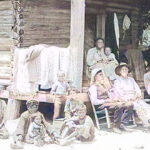
Lumbee Tribe of North Carolina – Unlike most Indian tribes in the United States, the Lumbee Indians do not have a reservation or recognized tribal leadership. They own their land and have a strong community, but they are considered regular U.S. and North Carolina citizens and do not have sovereignty rights.
Pamunkey Tribe – The Pamunkey Indian Tribe is a federally recognized tribe that controls the Pamunkey Indian Reservation in King William County, Virginia. They are one of eleven Native American tribes in Virginia and an Indigenous people of the Northeastern Woodlands.
Native Americans in the Civil War – An estimated 20,000 Native Americans fought on both sides, with some reaching high ranks in both armies.
Oklahoma in the Civil War – As part of the Trans-Mississippi Theater, the Indian Territory was the scene of numerous skirmishes and seven officially recognized battles involving both Native American units allied with the Confederate States of America and Native Americans loyal to the United States government, as well as other Union and Confederate troops.
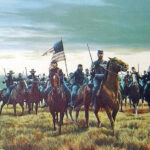
Oklahoma Civil War Battles – After abandoning its forts in the Indian Territory early in the Civil War, the Union Army was unprepared for the logistical challenges of trying to regain control of the territory from the Confederate government.
Tuscarora Tribe – The Tuscarora tribe is an Indigenous People of the Northeastern Woodlands in Canada and the United States. They are an Iroquoian Native American and First Nations people.
Chief Opothleyahola – Muscogee Creek Indian Leader – Chief Opothle Yahola was a Muscogee Creek Indian leader who was noted as a diplomatic chief and a brilliant orator. He was a Speaker of the Upper Creek Council who supported traditional Creek culture.
Indian Home Guard in Kansas – During the Civil War, the First Indian Home Guard Regiment was organized in Kansas in May 1862. The tri-racial Union regiment comprised Creek and Seminole Indians, African-Creek, and African-Seminole, with white officers commanding the unit.
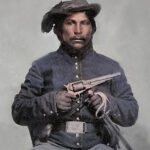
Indian Home Guard.
Trail of Blood on Ice – The Trail of Blood on Ice was a Civil War Campaign in December 1861 in which pro-Union Native Americans were led by Upper Creek Indian Chief Opothle Yahola.
Fort Row, Kansas – Fort Row, Kansas, was a small headquarters of the Union Army’s local volunteer-mounted militia in Wilson County. Under the leadership of Captain John Row, the militia was formed in the summer of 1861 to defend the area against raids by Confederate guerrillas operating in eastern Kansas.
Woodson County, Kansas – (Legends of Kansas) Woodson County was one of the counties created by the first territorial legislature of 1855. It was named after Daniel Woodson, territorial secretary and a five-time acting governor of Kansas Territory.
Kalida, Kansas Ghost Town – (Legends of Kansas) Kalida, Kansas, is a ghost town in Woodson County. When this place was first settled, it was called Chellis.
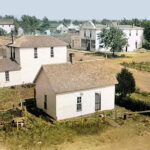
Vernon – Kansas Ghost Town – (Legends of Kansas) Vernon was established about 11 miles northeast of Yates Center in 1886. Today it is a ghost town in northeastern Woodson County.
Rose, Kansas – Extinct in Woodson County – (Legends of Kansas) Rose, Kansas, is a ghost town in Eminence Township in the southern part of Woodson County. In the 1890s through early 1900s, more native prairie hay was baled and shipped out of Rose Station than anywhere in the world.
Almena, Kansas – (Legends of Kansas) A post office was established on June 10, 1872. It was named by Margaret Coleman, an early settler and first postmistress, for her hometown of Almena, Wisconsin.
Grainfield, Kansas – (Legends of Kansas) The town started in 1879 when the Kansas Pacific Railroad sent John B. Beal from Abilene, Kansas, to establish a new town.
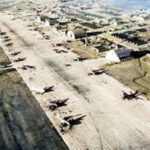
Walker Army Airfield – (Legends of Kansas) Walker Army Airfield is an abandoned airfield in Ellis County, Kansas. It was a satellite airfield of the the Smoky Hill Army Airfield in Salina, Kansas.
Gove County, Kansas – (Legends of Kansas) Gove County, Kansas, is located in the northwest portion of the state. Its county seat is Gove City, and its most populous city is Quinter.
Densmore, Kansas – Norton County Ghost Town – (Legends of Kansas) John T. Densmore came to the area in 1874 and was one of the first settlers. Today Densmore is a ghost town near the Solomon River in West Union Township of Norton County.
Edmond, Kansas – Norton County Ghost Town – (Legends of Kansas) The original plat of Edmond was registered by John D. Edmond of Leavenworth, Kansas, on September 3, 1879.
Reager, Kansas – Extinct in Norton County – (Legends of Kansas) Reager, Kansas, is an extinct town in Norton County. There is very little left today, but a couple of buildings and some silos.
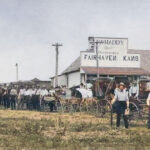
Fairhaven, Kansas – Extinct in Norton County – (Legends of Kansas) Fairhaven, Kansas, also spelled Fair Haven, was a hamlet in Grant Township of Norton County. It is a lost town today.
Oronoque, Kansas – Lost in Norton County – (Legends of Kansas) Oronoque, Kansas, was a village in Leota Township of Norton County. Other than its cemetery, the town is gone today.
Calvert, Kansas – Extinct in Norton County – (Legends of Kansas) This place started as Neighborville in the spring of 1872 when the Charles D. Bieber family from Indiana chose this location to settle.
New Almelo, Kansas – Extinct in Norton County – (Legends of Kansas) New Almelo, Kansas, is a small, unincorporated community in Southwest Norton County. This area was first homesteaded along the Solomon River in 1873 by Catholics from Canada.
Norton County Kansas – (Legends of Kansas) The county was established in 1867 and named for Civil War soldier Orloff Norton, captain of Company L of the 15th Kansas Militia Infantry Regiment.
Chicago, Burlington & Quincy Railroad – The Chicago, Burlington & Quincy Railroad (reporting mark CBQ) was a railroad that operated in the Midwestern United States.
To see what else you might have missed, check out our archive of newsletters here.