
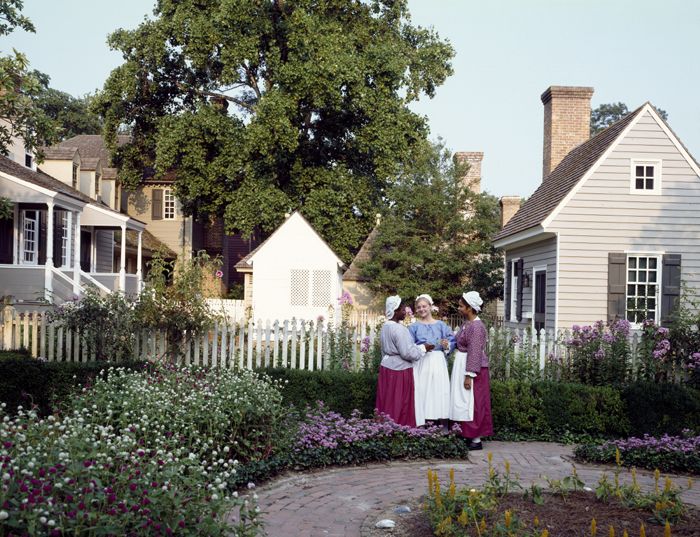
Colonial Williamsburg, Virginia Re-enactors by Carol Highsmith.
by Jesse Galanis
From colonial streets to ghost towns, America’s terrain chronicles its common history. These ancient sites help Americans reflect on their past and present. Many of these historic places are at risk, though, as this country progressively embraces modernization.
So, how do you preserve the history in an ever-evolving America amid the inevitable modern obstacles?
In this article, we’ll tackle what you need to know about historical preservation in the United States (U.S.). Learn what modern challenges the country’s facing and how you can rise above them to preserve American history for future generations. Read on.
An Overview: What Is Historical Preservation?
To begin, what is historical preservation? Simply put, it’s preserving the past in the present and future.
However, it extends beyond saving old buildings and structures. It involves protecting the places, stories, and artifacts that shape America’s identity. It defines how a nation was born as well as what the country is today and what it will be in the future!
Historical preservation helps keep the cultural and historical roots alive. However, it comes with different approaches, as follows:
Preservation—maintaining existing conditions
Restoration—returning things to a past state
Conservation—protecting fragile items
Rehabilitation—adapting old sites for modern use.
The U.S. is one with the world in preserving its history.
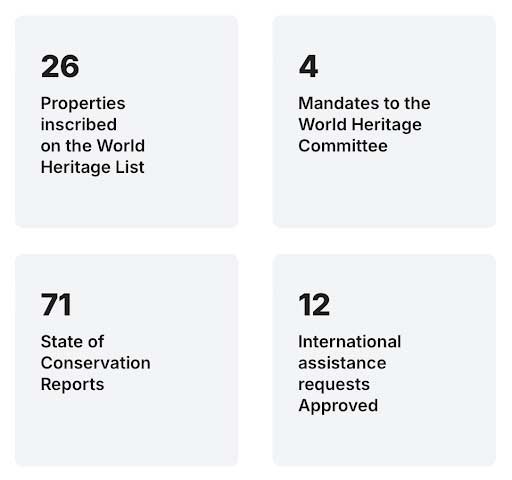
According to the UNESCO report, the country has 26 properties listed in the World Heritage List, four mandates to the World Heritage Committee, and 71 reports on the State of Conservation. The report also cites that it has twelve international assistance requests approved in the amount of $180,809.
Modern Challenges: Why Preserving History Is Harder Than Ever
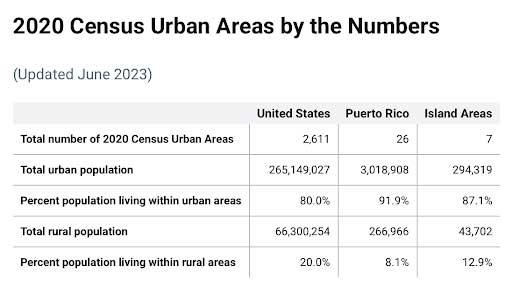
It’s quite obvious: America today looks vastly different from what it was a century ago. It has over 80% of its population living in cities, where growth and development have a massive impact on its historic sites and landscapes.
Even places known for their cultural richness inevitably face mounting pressures. For example, think of the beauty and history of New Mexico’s Moreno Valley. Whether neglected or developed, its historical implications could alter or fade away in time.
Since its inception in 1988, America’s 11 Most Endangered Historic Places® list has featured over 350 sites. But the good news? Only fewer than 5% of those listed ultimately lost. This implies historical preservation is successful as driven by visibility and advocacy efforts.
Further, fewer people, especially younger generations, are learning about or connecting with our shared history. Likewise, preservation also faces economic hurdles. Rising land values and costly restoration methods often make it easier to tear down the old than to protect it.
Modern threats to historic sites and stories
America’s historic places are facing growing challenges that make preservation harder than ever before.
Consider places like Bent’s Old Fort National Historic Site in Colorado, which highlights this urgent matter. Harsh weather, limited funding, and increased visitation all take a toll on these irreplaceable landmarks.
Below are modern threats to historic sites and stories we should be wary of:
Development threatens the preservation of history. Many historic buildings are destroyed for new developments as property values increase and towns grow. Particularly in rapidly expanding cities like Austin, Phoenix, and Charlotte, this holds true. These sites could eventually vanish and disappear due to the absence of legal protection.
Climate change ruins the preserved environment. Rising sea levels and flooding brought on by severe weather risk historic coastal and riverside sites. The National Park Service notes how climate changes affect cultural assets (like archaeological sites, cultural landscapes, ethnographic sites, and historical buildings).
Neglect and vandalism afflict remote sites. Abandoned towns, such as Bodie, CA, are falling apart due to human interference and weather damage. These locations could rapidly fall apart without continuous maintenance and repair.
Indigenous places require increased safeguarding. Many sacred Native American sites, including those in Bears Ears National Monument, face legal and environmental issues. Without legal protections or formal recognition, these sites with great cultural significance are neglected.
Preservation continues to be badly affected by money. The National Park Service, for example, had a maintenance backlog of over $12 billion in 2016. Many state and local preservation projects this year and in the future have not been sufficiently funded. Indeed, budget cuts frequently affect first heritage sites.
Intangible history is lost too. The passing of elders also leads to the passing of their stories, customs, and knowledge as well. Thanks to the American Folklife Center, the American Folklife Preservation Act aims to protect and showcase folklife in all its variety.

3 Key Steps: How To Preserve History in a Changing America
Historical preservation also means one thing: Making sure our past has a place in the future. While development and innovation are crucial, Americans can still protect the stories and places that define who they are.
Here’s good news: The U.S. heritage tourism market could grow from $132.5 billion in 2025 to $184.1 billion by 2033 at a 4.2% compound annual growth rate (CAGR).
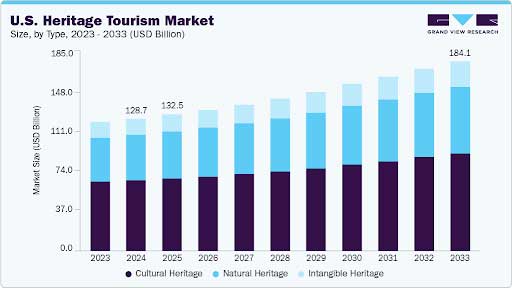
As a promoter of historical preservation, how do you uphold history in an ever-evolving American landscape? Here are three key steps to take:
1. Find a middle ground between progress and preservation
The debate between development and preservation is often moot. The most successful communities don’t choose one over the other; They integrate both to build a future rooted in the past.
Consider places like Fort Hays, Kansas, which require protection beyond just the railroad. They safeguard the identity, economy, and heritage of a region.
Preservation isn’t just cultural; it delivers real economic value. That said, here’s how historical preservation generates solid returns across tourism, real estate, and local job creation:
Heritage tourism draws visitors seeking authentic experiences. A 2003 Travel Industry Association study found that heritage travelers stay longer and spend more than other tourists.
Historic districts often hold their value better during downturns. A PlaceEconomics study found that cities like San Antonio and Savannah saw smaller property declines in preserved areas during the 2008 recession.
Restoring historic buildings creates more local jobs than new construction. It relies on skilled labor and fewer raw materials, benefiting the local economy.
Case in point: Milwaukee’s Brewery District shows how preservation and development coexist.
The former Pabst complex now houses apartments, offices, and venues without losing its original character. In Lowell, Massachusetts, restored mill buildings became the foundation for a vibrant downtown.
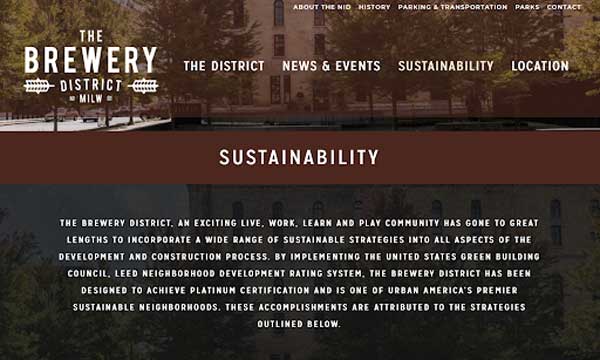
Ultimately, repurposing historic buildings for modern needs is both practical and sustainable. Adaptive reuse is key!
2. Get individuals and the whole community involved
Many of America’s best preservation stories begin with everyday people taking action.
When Ellis Island faced demolition in the 1970s, for instance, a grassroots campaign helped save this iconic gateway for millions of immigrants. That’s how you get the entire community involved from just one individual.
Here’s how individuals and communities can make a difference in historical preservation initiatives:
Preservation depends largely on local people. Often leading these initiatives are historical civilizations. They are guardians of regional memory, preservers of stories, protectors of monuments, and collectors of objects.
From creating walking tours and educational activities to producing newsletters and historical journals, these groups labor nonstop to raise awareness of regional history and appreciation of it. Their support goes beyond just lobbying for protective laws and money to help at-risk areas.
Volunteer groups help maintain historic places. These local groups aptly known as “Friends of” usually focus on a single historic site or landmark dedicated to its preservation.
For example, they lead weekend tours at a decommissioned lighthouse, repaint a 19th-century church, and restore windows in an old schoolhouse. To support continuous upkeep and educational programs, these groups sometimes gather donations, sell goods, or hold events.
Documentation is essential even if a site cannot be restored. Special programs like the Historic American Buildings Survey (HABS) can significantly help as part of the Library of Congress. Using measured drawings, images, and written histories, HABS has regularly documented America’s architectural legacy since the 1930s.
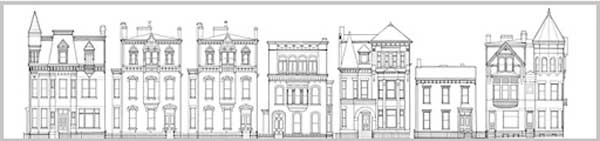
Proper documentation guarantees one thing: Even if a physical structure is lost to decay or development, its historical and cultural value is kept for public access and future study. For instance, architects, historians, and preservationists find great use in these documents as educational resources.
Financial empowerment fuels preservation efforts. Finance is crucial for funding historical preservation initiatives. Whether a structure is demolished or maintained depends on citizen activism. Every deed helps, whether you are directly supporting a website on site rehabilitation or promoting causes for enhancing community resilience.
However, debt relief programs can help ease out people’s financial load and free up local resources for cultural activities and historical initiatives. Promoting community-level financial education and debt literacy enable key players to support historical preservation projects so these could flourish and prosper.
Heed our advice: Getting involved is simple. As a promoter of historical preservation, take the following steps:
Join or support a local historical society (think memberships, donations, or volunteerism)
Attend public hearings (for historical preservation discussions)
Document local landmarks (through photography and oral histories)
Shop at businesses in historic buildings.
To engage individuals and the community in historical preservation, use helpful resources, such as:
The National Trust for Historic Preservation
Your state’s historic preservation office
The Historic Tax Credit program.
All these support qualified restoration projects as part of your historical preservation initiatives!
3. Unlock the power of tech in the digital era
Technology can be a challenge to traditional preservation. However, it also opens up new ways to document, share, and protect history.
Below are tools and technologies you can leverage for historical preservation:
3D scanning creates digital records of historic structures. After Brazil’s National Museum fire in 2018, 3D scans made virtual reconstruction possible. They highlight the value of digital backups before disaster strikes.
Augmented reality also brings history to life. At Monticello, AR enables visitors to see rooms restored to their original look. For instance, consider walking the streets of Tombstone, where AR provides a more immersive and educational experience.
Online archives make historic materials accessible. Projects like Chronicling America and Legends of America help preserve documents and stories that might otherwise be lost.
Social media also plays a role in historical preservation. Initiatives like History Harvest invite communities to share personal artifacts. Meanwhile, campaigns like #ThisPlaceMatters, raise awareness of endangered sites.
Keep in mind, however, that digital isn’t a full replacement. Walking through a historic building or holding an original document offers a sensory experience that a screen can’t match. Digital files also need care since formats evolve and storage can fail.
The key takeaway? The best preservation efforts blend both worlds: Combining hands-on conservation with digital access is key!
Final Words: Preserving Our Past Matters for the Future
In the advent of modernization, preserving American history becomes crucial. However, it isn’t about resisting progress but about protecting the past stories and old places that define who they are today. Historical preservation is key!
As a promoter of historical preservation, follow these crucial steps:
Balance progress and preservation
Get the whole community involved
Leverage technology in the digital age
Remember: Losing historic sites means losing the context that connects us to our roots. It erases the character of our communities and the ability to truly feel where history happened. Ultimately, preserving our past helps us carve a brighter and more promising future!
The good news? There are ways forward: Support a local preservation group, share your family’s stories, or simply explore nearby landmarks.
©Jesse Galanis, for Legends of America, submitted August 2025.
 Author’s Bio: Jesse Galanis is a professional writer who decomposes complex concepts of business information and working online. He provides quality content that assists people in everyday life.
Also See:
Historic American Building Survey