
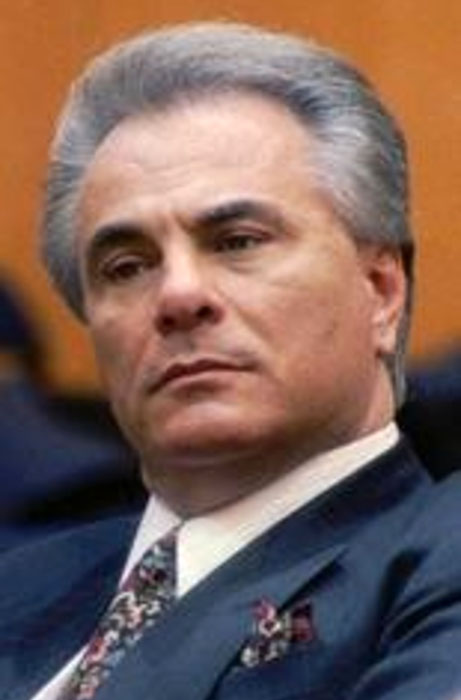
John Gotti.
John Joseph Gotti Jr., often called the Teflon Don and Dapper Don, was an American gangster and boss of the Gambino crime family in New York City. Despite his nicknames, he was a violent, ruthless mobster who’d grown up on the streets of New York.
John Gotti was born in the Bronx borough of New York City on October 27, 1940, to John Joseph Gotti Sr. and Philomena “Fannie” DeCarlo Gotti. He was the fifth of 13 children who grew up in poverty. His father worked irregularly as a day laborer. By the time he was 12, the Gotti family had settled in Brooklyn, New York, and he and his four brothers turned to a life of crime. John was soon involved with street gangs associated with New York City Mafiosi and had a history of truancy in school and bullying other students.
When he was 14, he tried to steal a cement mixer from a construction site, and it fell, crushing his toes and leaving him with a permanent limp. He dropped out of Franklin K. Lane High School at 16. As he grew older, Gotti came to resent his father for being unable to provide for his family.
Afterward, he devoted himself to working with the Mafia-associated Fulton-Rockaway Gang,where he met and befriended fellow future Gambino mobsters Angelo Ruggiero and Wilfred “Willie Boy” Johnson. The Gambino crime family was one of the original Five Families of New York and, for decades, was the most powerful and profitable. It was also one of the most public and violent of the Mafia families.
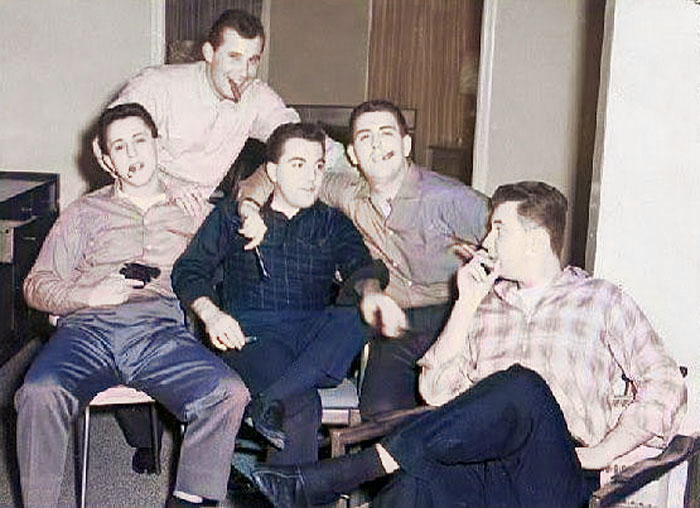
Fulton-Rockaway Gang.
Gotti was soon running errands for Carmine Fatico, a capo in the Gambino family under the leadership of Albert Anastasia. He was soon frequently involved in skirmishes with the law and was arrested nine times between 18 and 26, primarily for petty crimes.
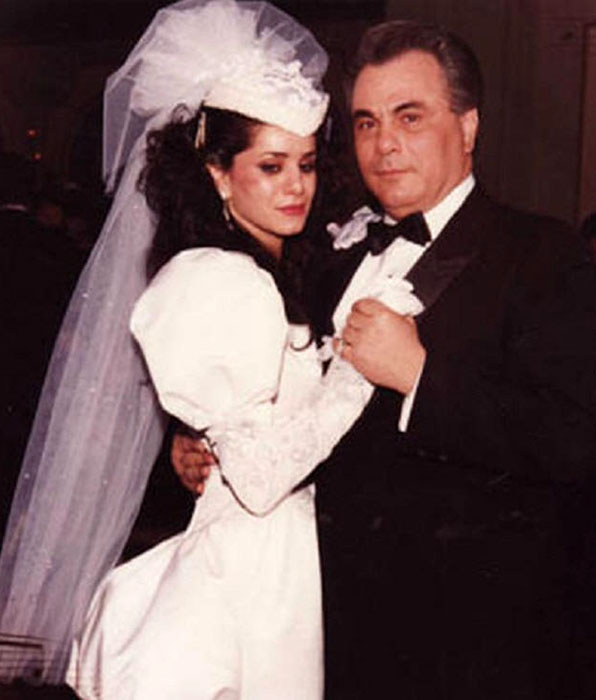
John Gotti and Victoria DiGiorgio wedding.
Gotti met Victoria DiGiorgio, half-Italian and half-Russian descent, at a bar in 1958. The couple married on March 6, 1962, and would eventually have five children. For a brief time, John tried to work legitimately in 1962 as a presser in a coat factory and as an assistant truck driver. But, he couldn’t stick to it and was soon hijacking trucks at Idlewild Airport (later renamed John F. Kennedy International Airport) with his brother Gene and friend Angelo Ruggiero. During this time, Gotti befriended fellow mob hijacker and future Bonanno family boss Joseph Massino, and he was given the nicknames “Black John” and “Crazy Horse.” Around this time, Gotti met his mentor and Gambino underboss Aniello “Neil” Dellacroce. Gotti quickly became one of the crime family’s biggest earners, operating out of the Ozone Park neighborhood of Queens.
In February 1968, United Airlines employees identified Gotti as the man who had signed for stolen merchandise, and the FBI soon arrested him for his role in a plot to steal thousands of dollars worth of goods. Out on bail, he was arrested for stealing a load of cigarettes worth $50,000 on the New Jersey Turnpike. Later that year, Gotti pleaded guilty to truck hijacking and cargo theft and was sentenced to three years at Lewisburg Federal Penitentiary in Pennsylvania. However, Gotti was released in 1972 after serving two years.
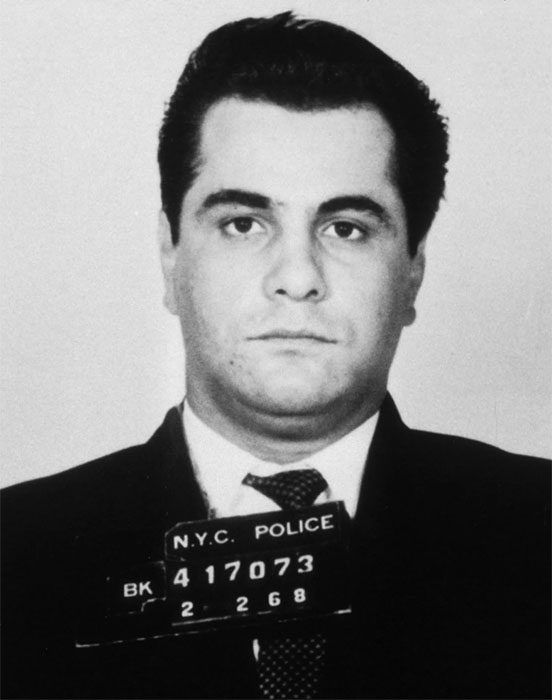
John Gotti Mug Shot, 1968.
On May 23, 1972, Carmine Fatico was indicted on loan-sharking and conspiracy charges in Suffolk County, New York. The following year, he was indicted again on a new set of loan-sharking charges. One condition for bail was that he stayed away from his crew and other known associates. He named Gotti acting captain, reporting directly to Gambino’s underboss, Aniello Dellacroce.
After Emanuel Gambino, nephew to boss Carlo Gambino, was kidnapped and murdered in 1973, Gotti was assigned to the hit team alongside Angelo Ruggiero and Ralph Galione in search of the main suspect, gangster James McBratney. When the hit team posed as detectives and attempted to abduct McBratney at a Staten Island bar, Galione shot McBratney dead when his accomplices restrained him.
Gotti was identified by eyewitnesses and by a police insider and was arrested for the killing in June 1974. He was able to strike a plea bargain with the help of attorney Roy Cohn, pleading guilty to manslaughter, and was sentenced to four years at Green Haven Correctional Facility in upstate New York. While there, he bribed prison officials and guards and was allowed to leave to meet with other mobsters at New York City restaurants and visit his home in the Howard Beach section of Queens.
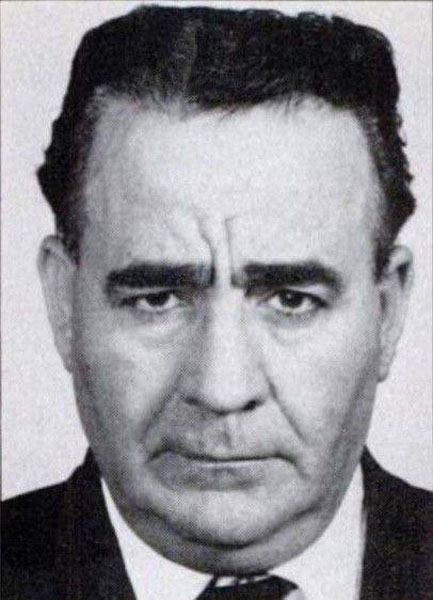
Carmine Fatico.
In the mid-1970s, Carmine Fatico and several crew members were indicted on charges of stealing 98 mailbags containing $3 million in cash and securities that had come into the airport on an Air France flight. The charges also included the theft of fur coats. However, the case ended in a mistrial in 1976. Afterward, Fatico pleaded guilty to one count of stealing the coats to avoid a retrial and was sentenced to five years in prison.
On October 15, 1976, Carlo Gambino died at home of natural causes. Against expectations, he had named his brother-in-law Paul Castellano to succeed him, even though Gotti’s mentor, Aniello Dellacroce, was rightly next in line. Gambino appeared to believe that his crime family would benefit from Castellano’s focus on white-collar businesses. Also, at the time, Dellacroce was imprisoned for tax evasion and could not contest Castellano’s succession. Castellano’s was confirmed at a meeting on November 24, with Dellacroce present. Castellano arranged for Dellacroce to remain underboss while directly running traditional Cosa Nostra activities such as extortion, robbery, and loan-sharking. However, the deal effectively split the Gambino family into two rival factions.
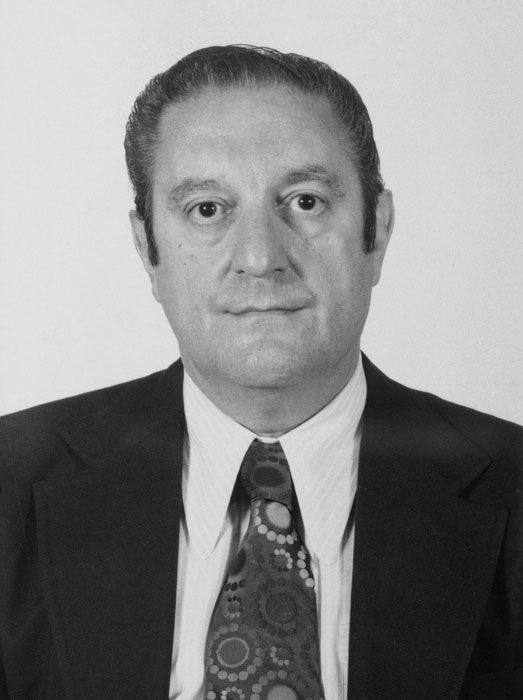
Paul Castellano.
John Gotti was released in July 1977 after spending just two years in prison. He was subsequently initiated as a made man into the Gambino family, now under the command of Paul Castellano, and immediately promoted to replace Fatico as capo of the Bergin crew. He and his crew reported directly to Aniello Dellacroce, who was allowed to control nearly half the syndicate. Gotti and his men frequently traveled to Dellacroce’s headquarters at the Ravenite Social Club to brief the underboss on the crew’s activities.
Having already taken a liking to Gotti, Dellacroce and Gotti became closer, partly due to their similarities, which included cursing, heavy gambling, and violent streaks. Under Gotti, the crew were Dellacroce’s biggest earners. Besides cutting off his subordinates’ earnings, Gotti ran his loan-sharking operation and held a no-show job as a plumbing supply salesman. Unconfirmed allegations by FBI informants in the Bergin Hunt and Fish Club claimed that Gotti also financed drug deals.
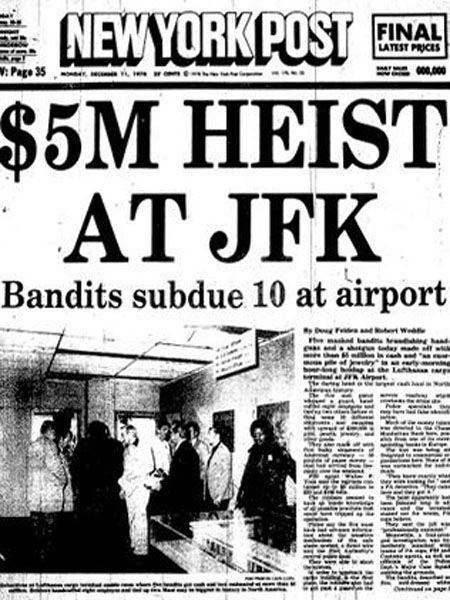
Lufthansa Heist, 1978.
In December 1978, Gotti assisted in the largest unrecovered cash robbery in history, the infamous Lufthansa Heist at Kennedy Airport. Gotti had arranged for the getaway van to be crushed and baled at a scrapyard in Brooklyn. Gotti’s cut of the heist was a reported $200,000.
The crew quickly became underboss Neil Delacroce’s biggest earners. Gotti ran his loan-sharking operation and had a no-show job as a plumbing supply salesman. Angelo Ruggiero, Gene Gotti, and John Carneglia dealt with narcotics trafficking from the 1970s to the 1980s, allegedly without John Gotti knowing. When Paul Castellano found out, he wanted to whack the entire crew but failed.
Gotti lost one of his children, Frank, in a motor vehicle accident on March 18, 1980. The 12-year-old was run over and killed on a family friend’s minibike by a neighbor named John Favara. Frank’s death was ruled accidental. However, Favara subsequently received death threats and was attacked by Victoria with a baseball bat when he visited the Gottis to apologize. On July 28, 1980, Favara was abducted and disappeared. He was later presumed dead, and witnesses claimed that they saw Favara being struck in the head with a club before he was forced into a van that left the scene. The incident occurred while Gotti and his family vacationed in Florida. Although some sources have argued that Gotti planned the kidnapping, he claimed that he had nothing to do with Favara’s disappearance.
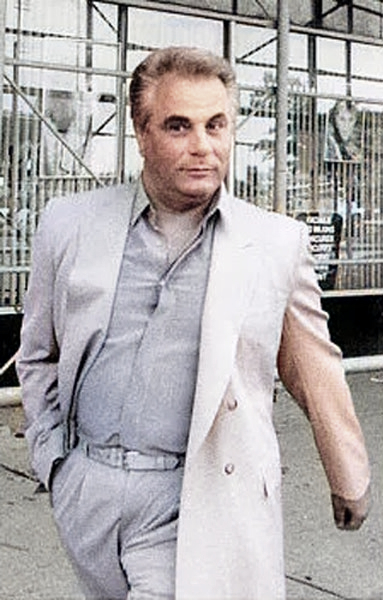
“Dapper Don” John Gotti.
By the early 1980s, using wiretaps, mob informants, and undercover agents, the FBI began to get clear insights into the Gambino family’s hierarchy and activities and were building strong cases against them as criminal enterprises.
Unlike many of his contemporaries, Gotti did not conceal himself from the public eye. With his expensive suits, lavish parties, and illegal dealings, he became widely known for his outspoken personality and flamboyant style, which gained him favor with some of the general public. While his peers avoided attracting attention, especially from the media, Gotti became known as “The Dapper Don” for his immaculately groomed expensive clothes and personality in front of news cameras. By the 1980s, he had become the city’s best-known organized crime leader. This was a significant irritant to federal law enforcement.
For years, his public presence didn’t seem to hurt him. Through methods that prosecutors would later prove included jury tampering and witness intimidation. He was nicknamed “The Teflon Don” after three high-profile trials in the 1980s resulted in his acquittal. However, it was later revealed that the trials had been tainted by jury tampering, juror misconduct, and witness intimidation, one of which failed because the jury foreman was paid a $60,000 bribe. Gotti reportedly earned $5-20 million annually as a Gambino boss.
Gotti tried to keep most of his family uninvolved in his life of crime, except his son John Angelo Gotti, who became a mob associate by 1982.
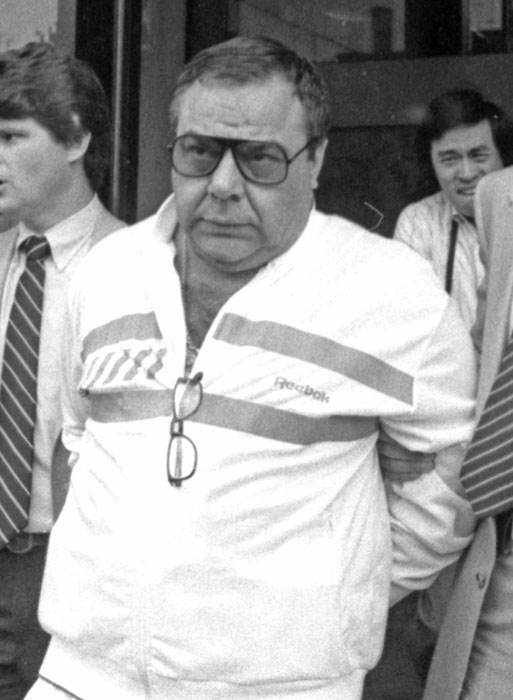
Angelo Ruggiero.
In August 1983, Angelo Ruggiero and Gene Gotti were arrested for dealing heroin, based primarily on recordings from a bug in Ruggiero’s house. Castellano, who had banned his made men from his family from dealing drugs under threat of death, demanded transcripts of the tapes, and when Ruggiero refused, he threatened to demote Gotti.
Law enforcement authorities continued gathering evidence against Gotti, which helped lead to his downfall.
In 1985, the federal government charged Gotti with racketeering, and his brother Gene was indicted for narcotics trafficking — an activity that Paul Castellano prohibited under the penalty of death. Gotti began to fear that Castellano would kill him and his brother for dealing drugs.
Aniello Dellacroce died of cancer on December 2, 1985, starting a chain of events that led to Castellano’s murder two weeks later. Castellano’s failure to attend Dellacroce’s wake was taken as an insult by members of the Manhattan faction. Then, Castellano named Thomas Bilotti, a loyalist with little diplomatic skill, as the new underboss. Castellano also hinted that he planned to break up John Gotti’s crew.
Gotti became dissatisfied with Castellano’s leadership because the new boss was too isolated and greedy. Like other family members, Gotti also disliked Castellano because he lacked street credibility, and those who had paid their dues running street-level jobs did not respect him. Gotti also had an economic interest: he had a running dispute with Castellano on the split Gotti took from hijackings at Kennedy Airport. Gotti was also rumored to be expanding into drug dealing, a lucrative trade Castellano had banned.
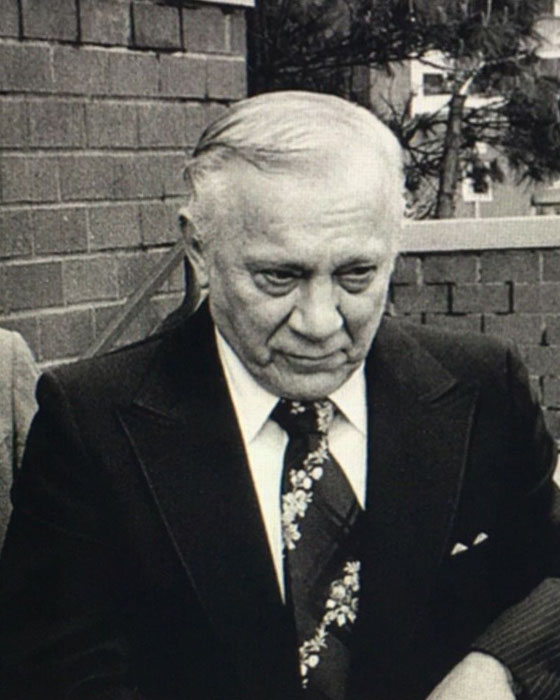
Aniello Dellacroce.
On the evening of December 16, 1985, 70-year-old-mafioso Paul Castellano and his underboss, Thomas Bilotti, were killed in front of Manhattan’s Sparks’ Steak House, a popular hangout for major criminals. Gotti, who’d been watching from a car at a safe distance, had one of his men drive him by the scene to make sure his deadly orders had been carried out.
Having eliminated the competition, Gotti became head of the Gambino family, America’s most influential American mafia family, with an annual income of $500 million. Gotti’s long-time friend and partner in crime, Angelo Ruggiero, succeeded Gotti and became the new capo of the crew.
In 1896, Angelo Ruggiero successfully arranged the murder of Gambino captain Robert DiBernardo. Besides setting up the hit, Ruggiero did not contribute that much during his time as a capo, and Gotti demoted him and put his brother Gene Gotti as the new capo.
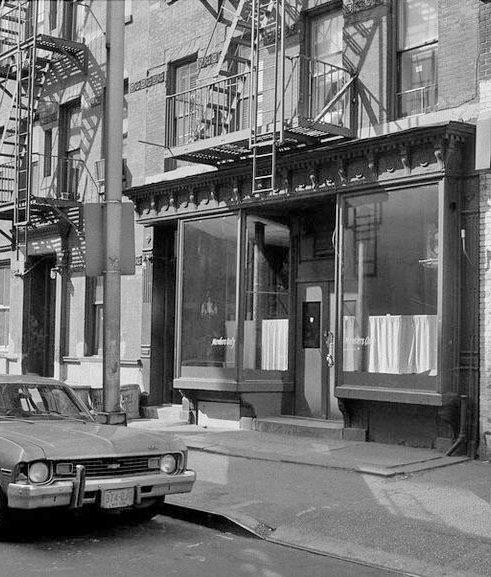
Ravenite Social Club.
In 1990, federal agents raided the Ravenite Social Club, a New York hangout where Gotti regularly did business and which the FBI had successfully bugged for years.
In December 1990, FBI agents and New York Police detectives arrested Gotti, and he was charged with 13 counts of murder, loan sharking, racketeering, obstruction of justice, illegal gambling, and tax evasion. Among those arrested with Gotti was his lieutenant, Sammy “The Bull” Gravano.
Gotti was charged with racketeering and five murders, including the murder of Paul Castellano, conspiracy to murder, illegal gambling, loan sharking, bribery, obstruction of justice, and tax evasion. The evidence against him was substantial and included incriminating wiretaps of the Ravenite Social Club, which led to the court refusing bail for Gotti. It also meant disqualifying two of Gotti’s favorite lawyers because they were part of the criminal organization.
This time, the judge ordered that the jurors remain anonymous, identified only by number so no one could pressure them. The case was airtight.

Salvatore Gravano.
In 1991, Gotti’s underboss, Salvatore “Sammy the Bull” Gravano, agreed to turn state’s evidence and testify for the prosecution against Gotti. He did so after hearing the boss making several disparaging remarks criticizing him on a wiretap that implicated them both in several murders.
On February 12, 1992, a lengthy and widely publicized federal trial began in which Salvatore Gravano, in violation of a fundamental rule of the Mafia, testified against him, saying that Gotti led the Gambino family and ordered the murders.
On the stand on March 2, Gravano confirmed Gotti’s place in the structure of the Gambino family and described in detail the conspiracy to assassinate Castellano, giving a complete description of the hit and its aftermath. Gravano confessed to 19 murders, implicating Gotti in four of them. During cross-examination, other attorneys were unable to shake Gravano. After additional testimony and tapes, the government rested its case on March 24.
The defense attempted unsuccessfully to declare a mistrial. Gotti became increasingly hostile during the trial, and at one point, Judge Glasser threatened to remove him from the courtroom. Among other outbursts, Gotti called Gravano a junkie while his attorneys sought to discuss his past steroid use and equated the dismissal of a juror to the fixing of the 1919 World Series.
“What John Gotti did was the beginning of the end of Cosa Nostra.”
— Anthony “Gaspipe” Casso, former Lucchese crime family boss.
This time, Gotti could not get to witnesses or the jury. On April 2, 1992, after only 14 hours of deliberation, the jury found Gotti guilty of five murders: conspiracy to commit murder, racketeering, obstruction of justice, tax evasion, illegal gambling, extortion, and loan-sharking.
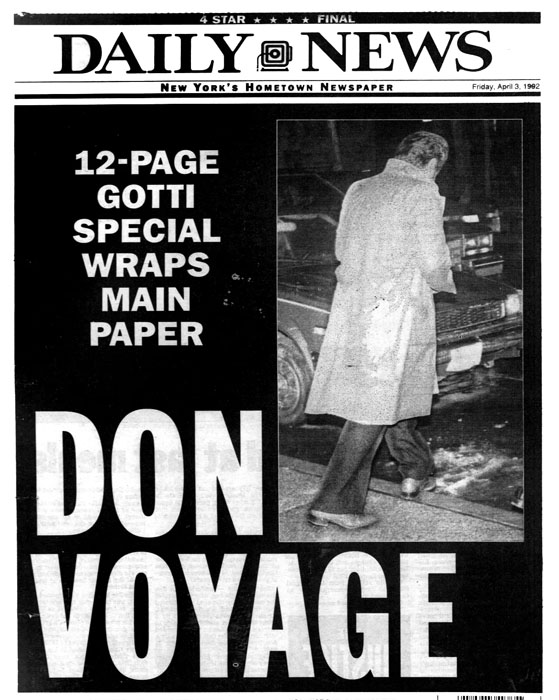
Don Voyage John Gotti.
On June 23, 1992, Judge Glasser sentenced Gotti to life imprisonment without the possibility of parole and a $250,000 fine. Afterward, he was transferred to the United States Penitentiary in Marion, Illinois. He spent the majority of his sentence in effective solitary confinement, allowed out of his cell for only one hour a day.
“The Teflon Don had become the Velcro Don.”
— Federal Bureau of Investigation
After his father’s imprisonment, his son, John Gotti III, took control of the unraveling Gambino family.
Despite his imprisonment and pressure from the Commission to step down, Gotti asserted his prerogative to retain his title as boss until his death or retirement. His brother Peter and his son John Jr. relayed orders on his behalf.
Gotti’s final appeal was rejected by the U.S. Supreme Court in 1994.
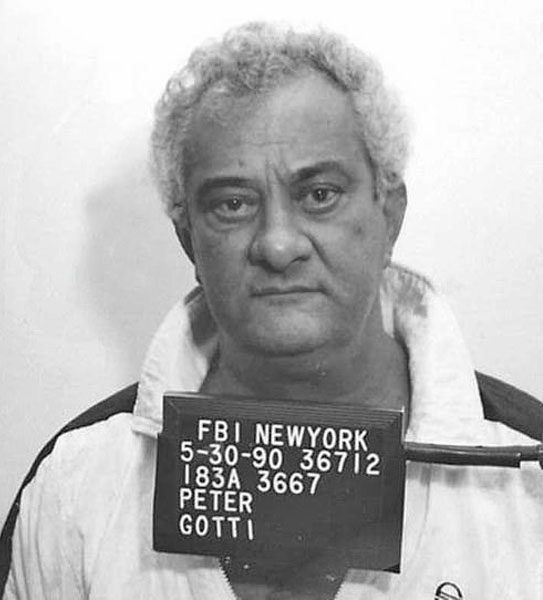
Peter Gotti FBI mugshot, 1990.
In 1998, Gotti was diagnosed with throat cancer and sent to the United States Medical Center for Federal Prisoners in Springfield, Missouri, for surgery to remove the tumor.
The same year, John Gotti III was arrested and charged with racketeering in 1998. John Jr. pleaded guilty against his father’s wishes and was sentenced to six years and five months’ imprisonment in 1999.
John Jr.’s indictment brought further stress to Gotti’s marriage. Victoria DiGiorgio Gotti, up to that point unaware of her son’s involvement in the Mafia, blamed her husband for ruining her son’s life and threatened to leave him unless he allowed John Jr. to leave the mob.
Peter Gotti subsequently became acting boss and is believed to have formally succeeded his brother shortly before Gotti’s death.
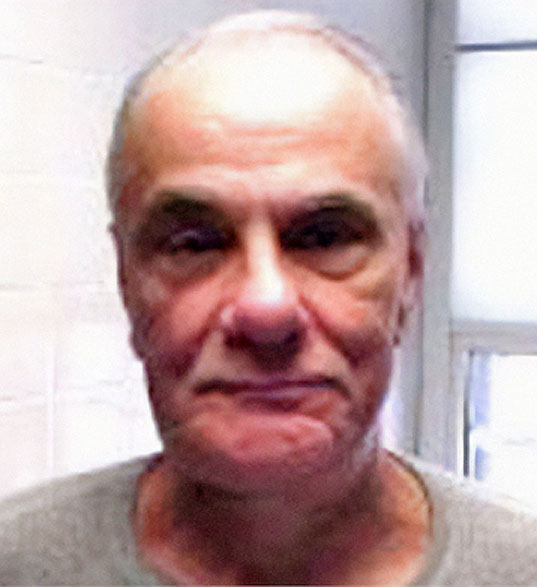
The last photo of John Gotti was taken when he was 60.
In the meantime, numerous prosecutions triggered by Gotti’s tactics left the Gambinos decimated. By the turn of the century, half of the family’s made men were in prison.
Gotti’s cancer was discovered to have returned in 2000, and he was transferred back to Springfield, where he spent the rest of his life.
Gotti’s condition rapidly declined, and he died on June 10, 2002, at the age of 61. The Roman Catholic Diocese of Brooklyn announced that Gotti’s family would not be permitted to have a Requiem Mass but allowed a memorial Mass after the burial.
After the funeral, an estimated 300 onlookers followed the procession from Gotti’s Bergin Hunt and Fish Club to the gravesite. Because of his incarceration, Gotti’s brother, Peter, could not attend. In an apparent repudiation of Gotti’s leadership and legacy, the other New York City families sent no representatives to the funeral.
After Gotti’s death, he was also identified by Massino as the killer of Vito Borelli, a Gambino associate killed in 1975 for insulting then-acting boss Paul Castellano.
At his peak, John Gotti was one of the most influential and dangerous crime bosses in the United States.
Afterward, John Gotti Jr.’s brother, Peter Gotti, became the Gambino boss. He was in power for only a year before being arrested and convicted of racketeering.
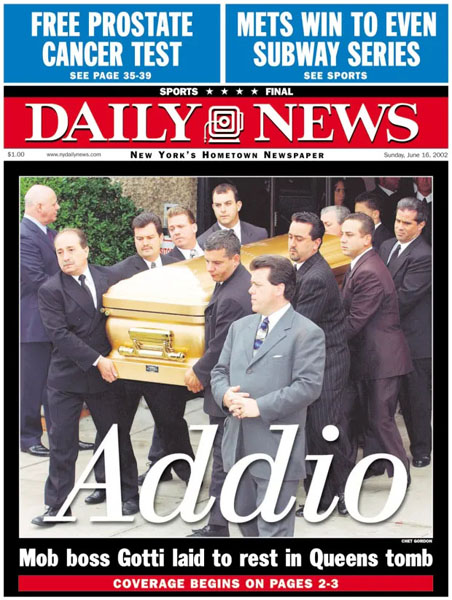
John Gotti Funeral.
John Gotti III was again arrested and charged with murder and racketeering in Florida in 2008, but the case ended in a mistrial.
©Kathy Alexander/Legends of America, February 2025.
Also See:
Gangsters, Mobsters & Outlaws of the 20th Century
Prohibition in the United States
Sources:
Brittanica
Federal Bureau of Investigation
Historica
Mob Museum
Wikipedia