
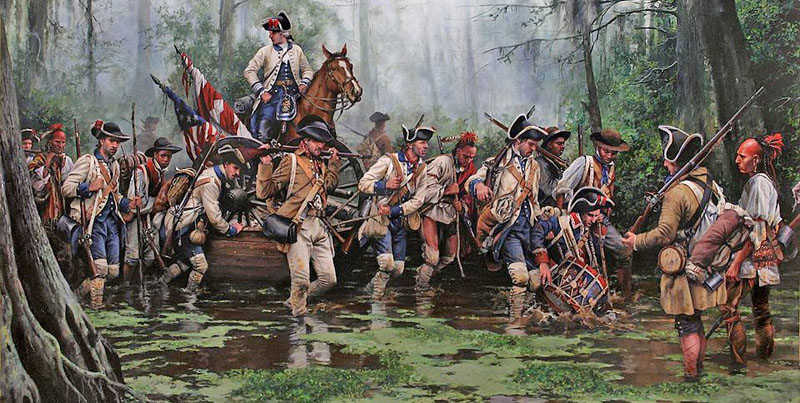
Capture of Fort Bute, Louisiana.
Fort Bute, Louisiana, was a colonial fort built by the British in 1766 to protect the confluence of Bayou Manchac with the Mississippi River. Named in honor of the Earl of Bute, the fort was located on Bayou Manchac, about 115 miles up the Mississippi River from New Orleans, on the far western border of British West Florida. It was one of the three outposts maintained by the British in the lower Mississippi River Valley, along with Fort Panmure and the Baton Rouge outpost. It fell to the Spanish on September 7, 1779, in the first Spanish action against the British during the American Revolution.
On October 20, 1763, Major Robert Farmar of the 34th Regiment and commander of His Britannic Majesty’s troops declared that all of the inhabitants of West Florida were subjects of England. The British, led by Colonel Taylor, began clearing out the Iberville River and building a path from British West Florida to the “14th British colony” of Mobile in present-day Alabama. Captain James Campbell, along with 50 African slaves, constructed a channel to the Mississippi River. It was during this time that Major Farmar planned to build Fort Bute to protect the workers and local settlers.
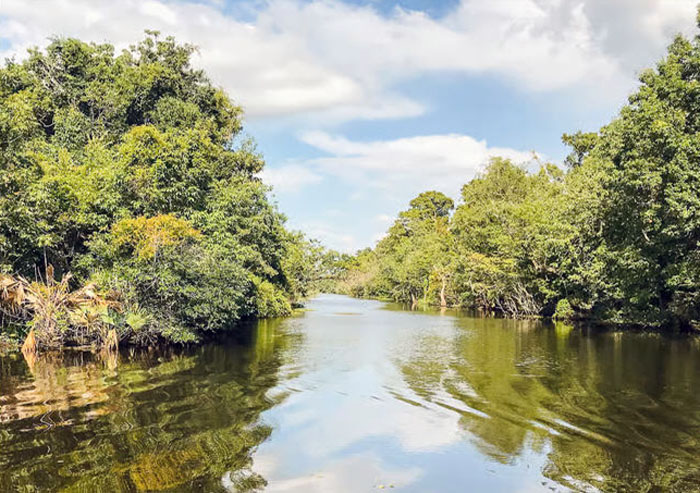
Bayou Manchac, Louisiana.
Land clearing began in October 1764, but construction of the fort did not actually begin until September 1765. At that time, construction materials and engineer Archibald Robertson from Pensacola, Florida, arrived in Bayou Manchac. Robertson supervised the planning and construction of Fort Bute, a six-gun star-shaped earthwork fort, also known as Fort at Manchac, which consisted of a single blockhouse surrounded by a stockade. The fort was designed to accommodate up to 200 men, including a single officer’s quarters. The fort was completed about a year later in 1766.
The fort was abandoned and partially destroyed in September 1768 as the garrison was transferred to Pensacola, Florida. A small force of American Patriots seized the site under Captain James Willing in March 1778, but they were quickly repulsed by British Rangers (Loyal Refugees) under Colonel John Stuart. The fort was rebuilt in April 1778 on a new site nearby, again with six guns.
On August 27, 1779, Spanish forces, consisting of about 750 regulars, carabineers, militiamen, and free blacks, left New Orleans. Later, they were joined by about 150 Indians and another 600 militiamen from the German and Acadian coasts and other parts of Louisiana.
On September 3, 1779, Colonel Alexander Dickson removed nearly all the troops from the fort, leaving only 23 soldiers. The troops were ordered to march to the Baton Rouge outpost. Bernardo de Galvez, the governor of Spanish Louisiana and commander of the troops of the Catholic Majesty, gathered 1,427 militiamen consisting of 600 multinational settlers, 160 Native Americans, and 667 Spanish infantrymen. Galvez slowly marched his troops towards Bayou Manchac through the muddy swamp at nine miles each day. The Spanish arrived at Fort Bute 11 days after beginning the march.
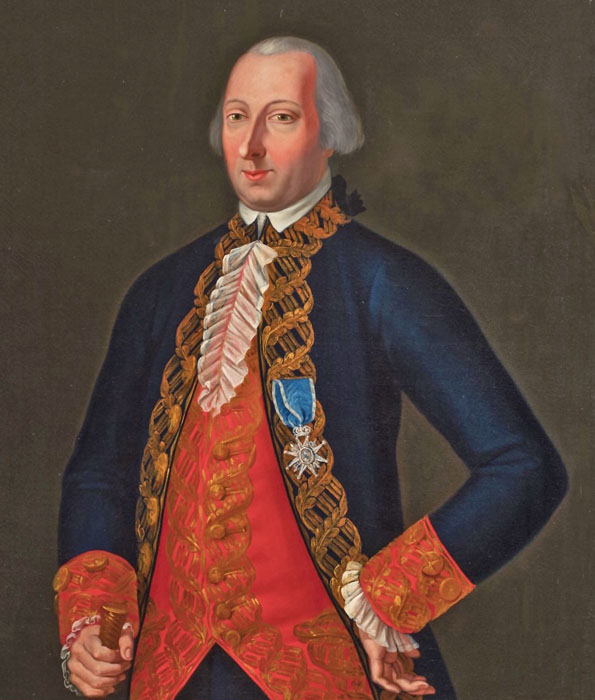
Bernardo de Galvez.
At dawn on September 7, 1779, the Spanish captured Fort Bute, in what is known as the Battle of Manchac Post. Accompanying the expedition were nine Americans, “under America’s banners,” commanded by Oliver Pollock, the New Orleans agent of the Continental Congress. There was one German killed, and one British captain, one lieutenant, and 18 soldiers were taken prisoner. Three British soldiers ran away from the battle and fled towards Baton Rouge. The six who escaped capture made their way to Baton Rouge to notify Colonel Dickson. A large portion of the British troops and supplies were already evacuated to Baton Rouge in early August.
Galvez remained at Fort Bute for six days, giving his men time to rest, before moving on to Baton Rouge, which fell after a short siege on September 21. The terms of capitulation agreed to by Dickson at Baton Rouge secured for Galvez the surrender of the remaining British outposts on the Mississippi River. Galvez then returned to New Orleans and began planning a campaign against Mobile and Pensacola, the remaining British strongholds in West Florida.
This battle of Fort Bute signalled the opening of Spanish intervention in the American Revolutionary War on the side of France and the United States.
The Spanish retained the original name of the fort until it was finally abandoned in November 1794.
©Kathy Alexander/Legends of America, August 2025.
Also See:
The Army and Westward Expansion
Forts & Presidios Photo Gallery
Soldiers & Officers in American History
Sources:
Fort Wiki
Historic Marker Database
North American Forts
Wikipedia – Fort Bute
Wikipedia – Capture of Fort Bute