
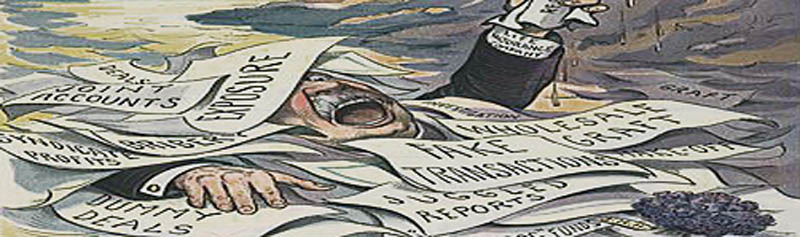
Political Scandal.
Scandal: An incident or event that disgraces or damages the reputation of the persons or organization involved.
Since time immemorial, this nation and the world have been steeped in scandals. Greed and lust are the essential elements of most scandals, with other contributing factors often including lies, misplaced loyalty or trust, lack of good judgment, obsession, naivete, actions or events regarded as morally or legally wrong, and rumor or malicious gossip. Causing general public outrage, sometimes the consequences for the perpetrators are dire and destructive. However, others get off scot-free, or their repercussions seemingly do not appear to fit the “crime.” The historical impact of scandals can be transient or lasting and profound.
In U.S. History, some of the biggest scandals include the Watergate scandal of the early 1970s, which forced Richard M. Nixon to become the first and only U.S. president to resign from office; the Bill Clinton-Monica Lewinsky Affair, the Walter Reed Army Medical Center neglect scandal refers to a series of allegations of unsatisfactory conditions, treatment of patients; the role of Purdue Pharma and its blockbuster drug oxycontin in causing the opioid epidemic, which has killed over 450,000 people, and dozens of others.
Lou “The Fixer” Blonger & the Notorious Blonger Brother Gang
John R. Brinkley – Goat Gland Doctor
H.H. Holmes and the Murder Castle of Chicago
La Cosa Nostra – American Mafia
James “Umbrella Jim” Miner and the Shell Game
Pendergast Era of Kansas City, Missouri
Scandals of FBI Director J. Edgar Hoover
Speakeasies of the Prohibition Era
Swindle at the Gold Bar Mine, Nevada
The Tabor Triangle – Rags, Riches & Scandal
Charles Waggoner – Colorado Robin Hood
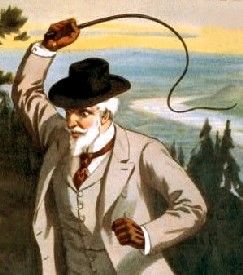
Scoundrel
© Kathy Alexander/Legends of America, updated August 2024.
Also See: